 Save to Pinterest
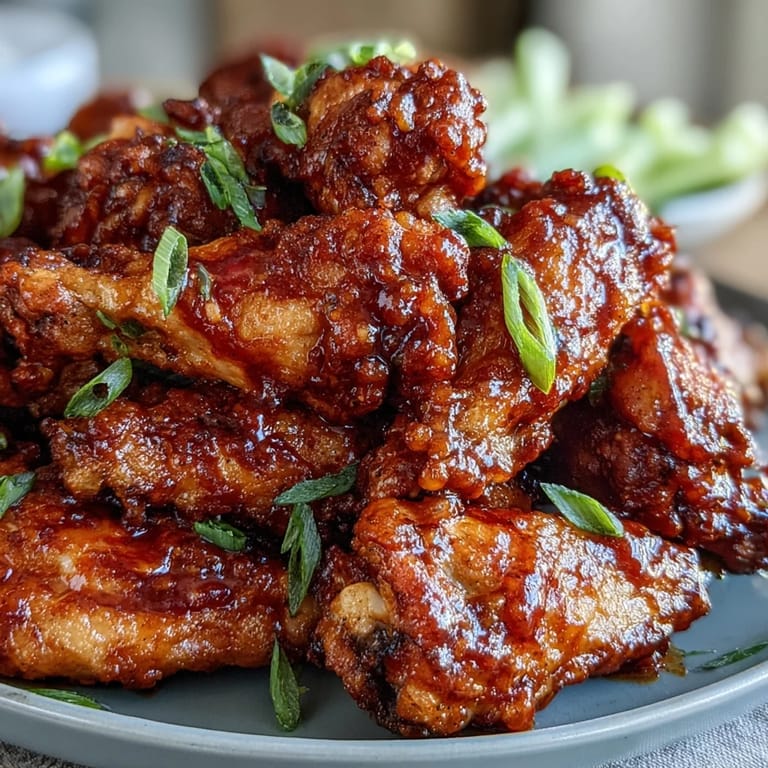
 My smoke detector went off three times before I finally nailed these wings. The kitchen was a haze of oil smoke, my roommate was yelling something about opening windows, and I was standing there with tongs in hand, determined not to let another batch turn into charcoal. That night taught me more about oil temperature than any cookbook ever could. Now these wings come out golden and shatteringly crisp every single time, and I've never looked back.
I made these for a Sunday football gathering once, thinking I'd prepared enough for eight people. They vanished in eleven minutes. My friend Jake, who claims he doesn't eat fried food anymore, ate seven wings standing over the kitchen counter before the game even started. The empty platter told me everything I needed to know about whether this recipe was a keeper.
Ingredients
- 1.2 kg chicken wings, separated at the joint, wing tips removed: Look for wings that are roughly the same size so they cook evenly, and save those wing tips in a freezer bag for stock.
- 1 cup buttermilk: This is your secret weapon for tenderness and it helps the coating stick like glue, so don't skip it even if you're tempted.
- 1 teaspoon salt, 1/2 teaspoon black pepper, 1 teaspoon garlic powder, 1 teaspoon onion powder, 1/2 teaspoon paprika: These spices build a savory base that blooms in the hot oil and makes your kitchen smell like a Friday night.
- 1/2 teaspoon cayenne pepper (optional): I always add it because a little heat in the coating makes the wings more interesting, but you can leave it out for a milder version.
- 1 1/2 cups all-purpose flour, 1/2 cup cornstarch, 1 teaspoon baking powder: Cornstarch is the crispy magic and baking powder creates tiny bubbles that make the crust extra crunchy.
- Sunflower or peanut oil, for deep frying: Use an oil with a high smoke point or you'll set off every alarm in your house like I did that first time.
- 1/3 cup hot sauce, 2 tablespoons unsalted butter, melted, 1 teaspoon honey: This Buffalo sauce has just enough sweetness to balance the vinegar tang without losing its edge.
- 1/2 cup Thai sweet chili sauce, 1 tablespoon lime juice, 1 teaspoon fish sauce (optional): The lime juice brightens everything and the fish sauce adds a savory depth most people can't quite place.
- 1/2 cup BBQ sauce (your favorite variety): Use what you love because this is the easiest win of the three sauces.
- Fresh chives or scallions, sliced, celery sticks, blue cheese or ranch dressing: These are the classic accompaniments that make it feel like you ordered in from somewhere fancy.
Tired of Takeout? 🥡
Get 10 meals you can make faster than delivery arrives. Seriously.
One email. No spam. Unsubscribe anytime.
Instructions
- Marinate the Wings:
- Toss the wings with buttermilk and all the spices in a big bowl, cover it, and let them sit in the fridge for at least 30 minutes or up to overnight. The longer they marinate, the more flavor soaks in and the juicier they stay after frying.
- Prepare the Coating:
- Whisk together the flour, cornstarch, and baking powder in a separate bowl. This dry mix is what creates that crackly shell you're after.
- Coat the Wings:
- Pull each wing out of the buttermilk, let the excess drip off, then press it firmly into the flour mixture so every crevice is covered. Let them rest on a rack for 10 minutes so the coating sets and doesn't slide off in the oil.
- Heat the Oil:
- Pour oil into a heavy pot until it's about 5 cm deep and heat it to 175°C. Use a thermometer because guessing the temperature is how you end up with soggy or burnt wings.
- Fry the Wings:
- Fry in small batches for 8 to 10 minutes, turning them occasionally, until they're deep golden and crispy. Don't crowd the pot or the temperature will drop and you'll lose that crunch.
- Make the Sauces:
- Whisk the Buffalo ingredients together, stir the Thai sauce with lime and fish sauce, and have your BBQ sauce ready in a bowl. You can make these while the wings fry so everything's ready at once.
- Toss & Serve:
- Divide the hot wings into three groups and toss each one in a different sauce, or leave them naked and serve the sauces on the side for dipping. Scatter some chives on top and set out celery sticks and blue cheese dressing for the full experience.
 Save to Pinterest
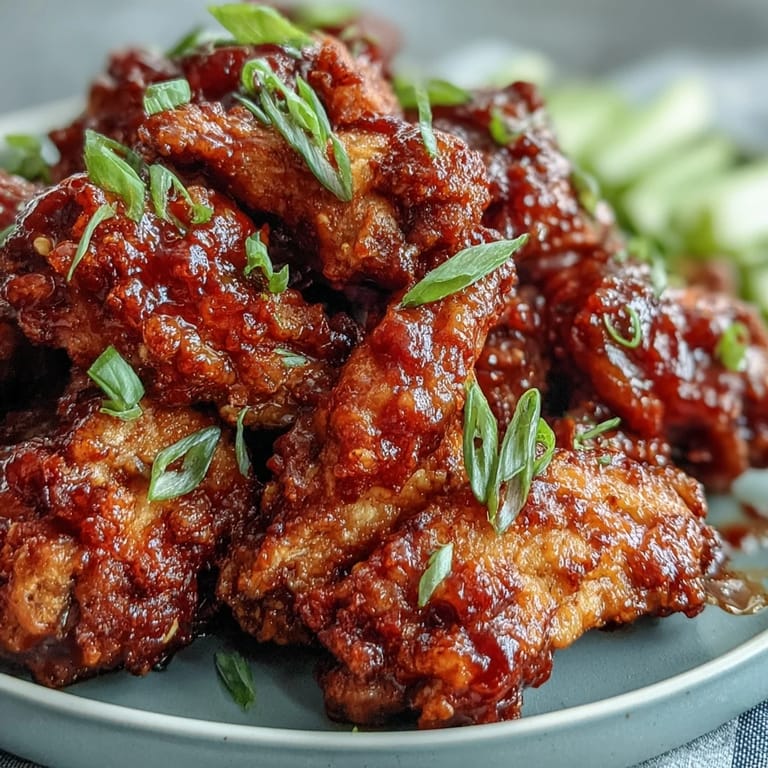
 There's a moment right after you pull the wings from the oil when the kitchen goes quiet and everyone just watches them drain on the rack, steam rising, golden and glistening. That's the moment I realized these wings weren't just food, they were the reason people started showing up to my place unannounced on weekends. They turned my tiny kitchen into the neighborhood hangout spot.
Getting the Crispiest Crust
The secret to restaurant-level crunch is the combination of cornstarch and letting the coated wings rest before they hit the oil. Cornstarch fries up lighter and crunchier than flour alone, and that 10-minute rest lets the coating hydrate and adhere so it doesn't fall off. If you want to go even further, try the double-fry method: fry once at a lower temperature to cook the wings through, let them cool, then fry again at a higher heat to crisp the outside. It's an extra step, but the results are absurdly crunchy.
Sauce Variations and Pairings
I've tossed these wings in everything from honey mustard to Korean gochujang glaze, and they've never let me down. The neutral, savory coating is a blank canvas for whatever flavor you're craving. If you're serving a crowd, set out all three sauces and let people mix and match, or keep a bowl of plain wings for the purists who just want that crispy, salty skin. A cold lager or a crisp white wine cuts through the richness perfectly, though I've seen people pair them with everything from iced tea to champagne.
Storage and Reheating
Fried wings are always best straight from the oil, but leftovers can be saved if you store them uncovered in the fridge so they don't get soggy. To reheat, spread them on a wire rack over a baking sheet and bake at 200°C for about 10 minutes until they crisp up again. The microwave will turn them into rubber, so don't even think about it.
- Store leftover wings uncovered or loosely covered to prevent moisture buildup.
- Reheat in a hot oven on a rack, never in the microwave.
- Make extra sauce because it keeps for a week and is great on everything from fries to grilled vegetables.
 Save to Pinterest
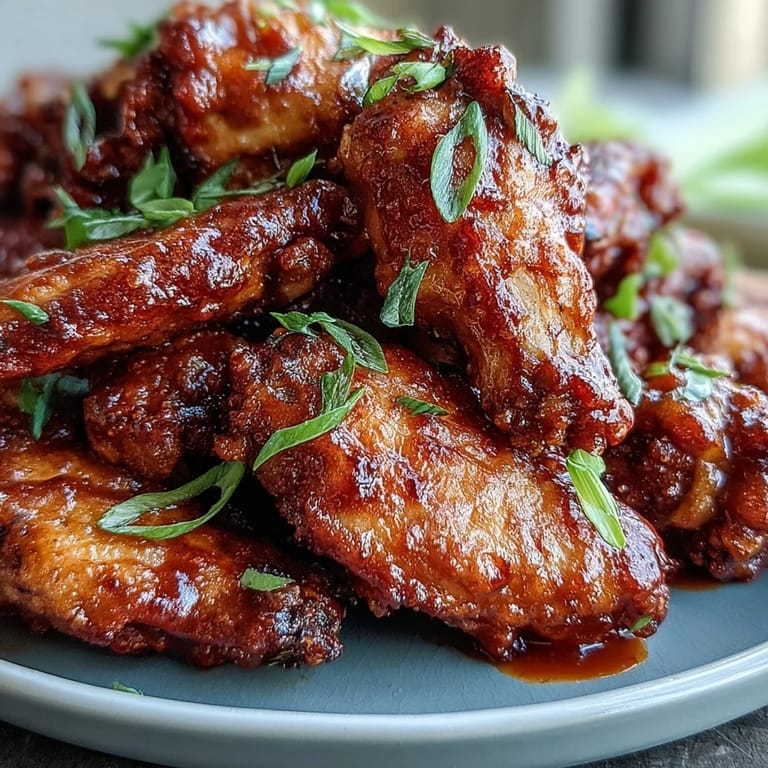
 These wings have a way of turning any ordinary evening into something people remember, and that's worth every minute you spend standing over hot oil. Make them once and I guarantee they'll become your go-to whenever you need to impress someone or just treat yourself right.
Recipe FAQs
- → How do I make the wings extra crispy?
Use the double-fry method: fry at 150°C (300°F) for 7 minutes, let cool completely, then fry again at 190°C (375°F) for 2-3 minutes. The cornstarch in the coating also helps create a crunchier texture.
- → Can I prepare these wings ahead of time?
Yes, marinate the wings overnight for deeper flavor. You can also coat them a few hours ahead and refrigerate on a rack. For best results, fry just before serving to maintain maximum crispiness.
- → What oil is best for frying chicken wings?
Sunflower or peanut oil work best due to their high smoke points and neutral flavors. Vegetable oil is also suitable. Avoid olive oil as it has a lower smoke point and can burn at frying temperatures.
- → Can I bake these wings instead of frying?
Yes, arrange coated wings on a wire rack over a baking sheet and bake at 220°C (425°F) for 40-45 minutes, flipping halfway through. They won't be quite as crispy as fried, but still delicious.
- → What can I substitute for buttermilk?
Mix 1 cup of regular milk with 1 tablespoon of lemon juice or white vinegar. Let it sit for 5 minutes to curdle slightly before using as a buttermilk substitute in the marinade.
- → How do I know when the oil is hot enough?
Use a thermometer to ensure oil reaches 175°C (350°F). Without a thermometer, drop a small piece of bread into the oil—if it sizzles and turns golden in 60 seconds, the oil is ready for frying.