 Save to Pinterest
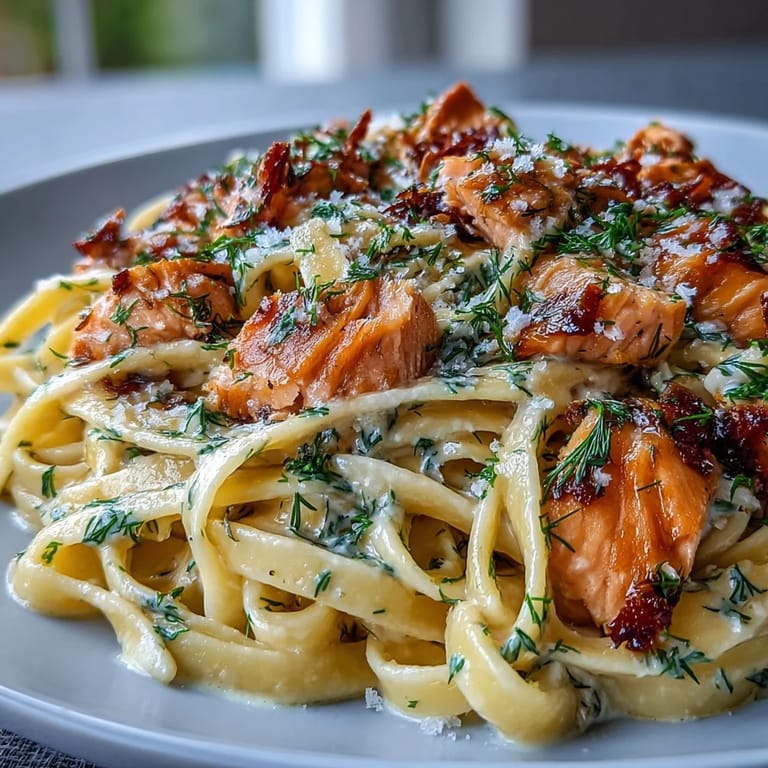
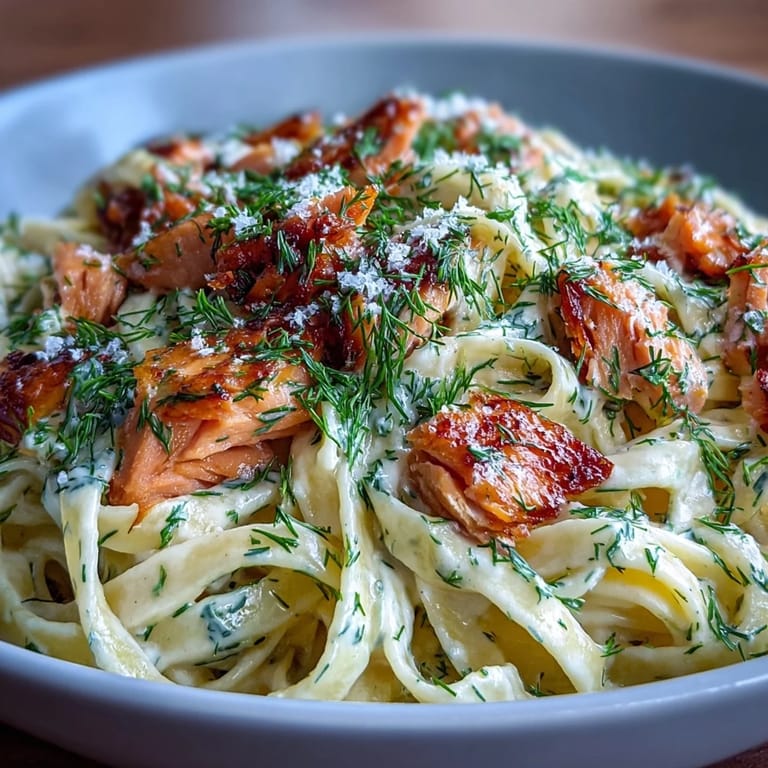
 There's this moment when you're standing in the kitchen on a Wednesday evening, tired from work, staring at the contents of your fridge and wondering what magic you can pull together in under thirty minutes. That's when I discovered this salmon pasta—not through a cookbook, but through desperation and whatever I had on hand. The hot-smoked salmon I'd picked up almost as an afterthought transformed into something so elegant and comforting that my partner asked for it again the next week. It taught me that the best dinners aren't always the most complicated ones.
I made this for my friend Sophie on a rainy Thursday, and watching her close her eyes on the first bite is honestly the best compliment I've ever received. She asked if I'd been taking cooking classes in secret. The truth was far simpler—sometimes the most impressive meals are just about using good ingredients without overthinking them.
Ingredients
- Dried fettuccine or spaghetti (350 g): Al dente pasta is your foundation here—it should still have a slight resistance when you bite it, which means it'll absorb the sauce rather than turn to mush.
- Unsalted butter (2 tbsp): This is where the flavor starts, so don't skip it or use margarine; butter creates the base for everything that follows.
- Garlic and shallot: These two build the aromatic backbone—mince the garlic finely so it melts into the butter, and chop the shallot small enough that it practically dissolves into the cream.
- Heavy cream (200 ml): This is the silk that binds everything together, so use real cream if you can; the difference is worth it.
- Dijon mustard (1 tsp): A small amount adds a subtle tang that keeps the sauce from tasting one-dimensional.
- Lemon zest and juice: Don't skip the zest—it's where the brightness lives, and fresh juice prevents the dish from feeling heavy.
- Reserved pasta water (100 ml): This starchy liquid is liquid gold for loosening the sauce and helping it cling to the pasta.
- Hot-smoked salmon (150 g): Look for salmon that flakes easily; the heat from the pasta will warm it through without drying it out.
- Parmesan cheese (30 g): Freshly grated makes all the difference—pre-grated cheese often has additives that prevent it from melting smoothly.
- Fresh dill or parsley (2 tbsp): Add half during cooking for subtle flavor and reserve the rest for garnish so you get bursts of freshness in each bite.
Tired of Takeout? 🥡
Get 10 meals you can make faster than delivery arrives. Seriously.
One email. No spam. Unsubscribe anytime.
Instructions
- Get the pasta water ready:
- Fill a large pot with water, salt it generously (it should taste like the sea), and bring it to a rolling boil. This is happening while you prep everything else, so you're really only using one active burner at a time.
- Cook the pasta:
- Add the pasta and stir occasionally so it doesn't clump. When it's about one minute away from being done, grab a mug and reserve that starchy cooking water before draining—this is the secret to a silky sauce that actually clings to the noodles.
- Build the base:
- In a large skillet, melt butter over medium heat and listen for that gentle sizzle. Add the minced garlic and chopped shallot, stirring occasionally until they soften and smell incredible—this takes about two to three minutes and you'll know it's right when the kitchen smells like a French bistro.
- Create the sauce:
- Pour in the heavy cream, add the Dijon mustard, then squeeze in your lemon juice and sprinkle the zest over top. Stir gently and let it simmer for two to three minutes, just long enough for the flavors to get acquainted without the cream breaking.
- Add the salmon:
- Flake the hot-smoked salmon into the sauce along with half of your fresh herbs and stir gently—you want distinct pieces of salmon, not a mushy paste. Let it warm through for about a minute, no more.
- Bring it all together:
- Add the drained pasta directly to the skillet and toss everything together, adding splashes of that reserved pasta water until the sauce coats the noodles with a silky sheen rather than pooling at the bottom. Sprinkle in the Parmesan and toss once more.
- Finish and serve:
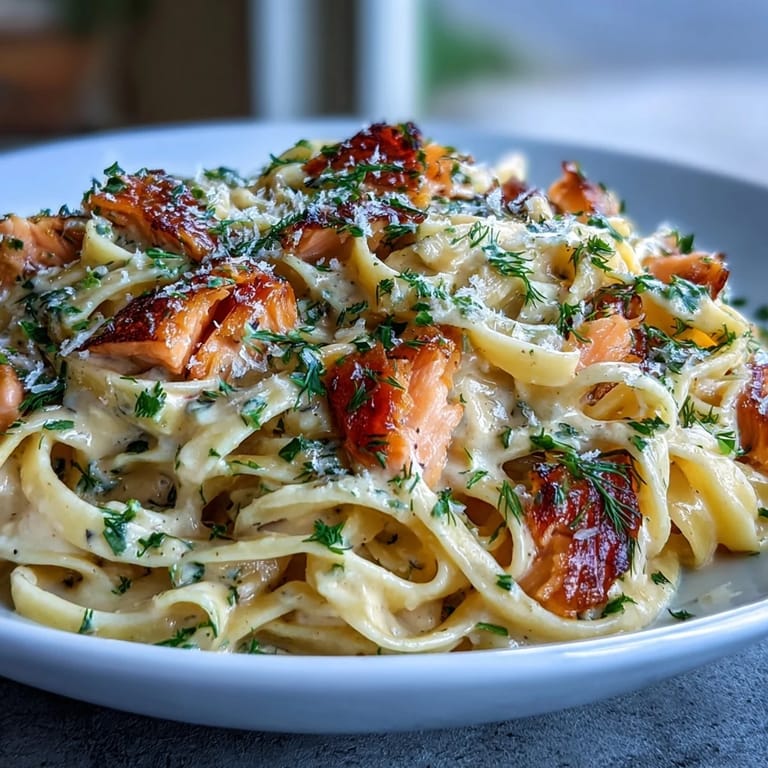
- Taste it, adjust salt and pepper if needed, then divide among bowls immediately while it's warm. Top with the remaining fresh herbs and a whisper of extra lemon zest if you want one final bright note.
 Save to Pinterest
 There's something about watching someone discover that weeknight dinners can be both quick and restaurant-quality that makes cooking feel less like a chore and more like sharing something real. This pasta has become my go-to when I want to feed people something that feels thoughtful without being stressful.
Why Hot-Smoked Salmon Works Here
Hot-smoked salmon is already cooked, which means you're just warming it through rather than worrying about timing or texture. Unlike fresh salmon that needs precision, this approach is forgiving—it takes the pressure off and lets you focus on building a beautiful sauce. I learned this the hard way after overcooking fresh salmon in a cream sauce years ago, turning it into something closer to rubber. Now I reach for hot-smoked whenever I'm making something creamy because it's essentially impossible to ruin.
The Lemon-Cream Balance
The magic of this dish lives in the conversation between richness and brightness. Cream alone would feel heavy and one-note, but lemon cuts through it with a clarity that makes you want another bite. The zest matters as much as the juice—zest gives you little bursts of flavor while juice dissolves into the sauce itself, and together they prevent the dish from feeling like anything less than the sum of its parts.
Making It Your Own
This recipe is a framework, not a rulebook, and some of my favorite versions have come from small tweaks based on what was in my kitchen. A splash of dry white wine after the shallots soften adds another layer, or you can swap in trout if salmon isn't what you're after. For a lighter version on nights when heavy cream feels like too much, equal parts cream and milk works surprisingly well, though you lose a bit of that luxurious mouthfeel.
- Fresh tarragon or chives can replace dill if that's what you have within reach.
- A whisper of smoked paprika adds intrigue without overwhelming the delicate flavors already present.
- If you want vegetables, sautéed peas or thin asparagus pieces stirred in at the end bring color and texture without complicating the core recipe.
 Save to Pinterest
 This is the kind of dinner that reminds you why cooking for yourself and the people you care about matters. It takes less time than you'd think and tastes like you actually tried.
Recipe FAQs
- → Can I use fresh salmon instead of hot-smoked?
Yes, though you'll need to cook fresh salmon fillets in the sauce for 4-5 minutes until just done. The flavor will be milder than the smoky version.
- → What pasta shapes work best?
Long strands like fettuccine, spaghetti, or linguine are ideal as they catch the silky sauce beautifully. Penne or rigatoni also work if you prefer short pasta.
- → How can I make this lighter?
Replace half the heavy cream with whole milk, or use half-and-half. You can also increase the pasta quantity to 450g while keeping the sauce portions the same.
- → Can I prepare this ahead?
The sauce base can be made up to 24 hours ahead and refrigerated. Reheat gently, adding pasta water to loosen, then toss with freshly cooked pasta and salmon.
- → What herbs pair best with this dish?
Fresh dill complements the smoked salmon beautifully, but flat-leaf parsley, chives, or fresh tarragon work equally well. Avoid dried herbs as they lack the brightness needed here.
- → Why reserve pasta water?
The starchy cooking water emulsifies with the cream and butter, creating a silky, restaurant-style sauce that clings perfectly to every strand of pasta.