 Save to Pinterest
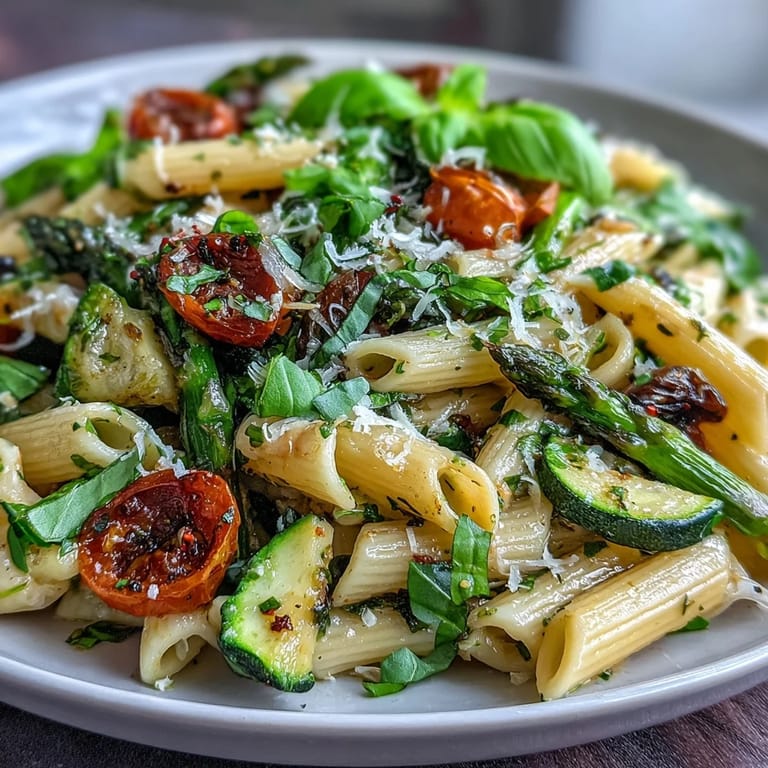
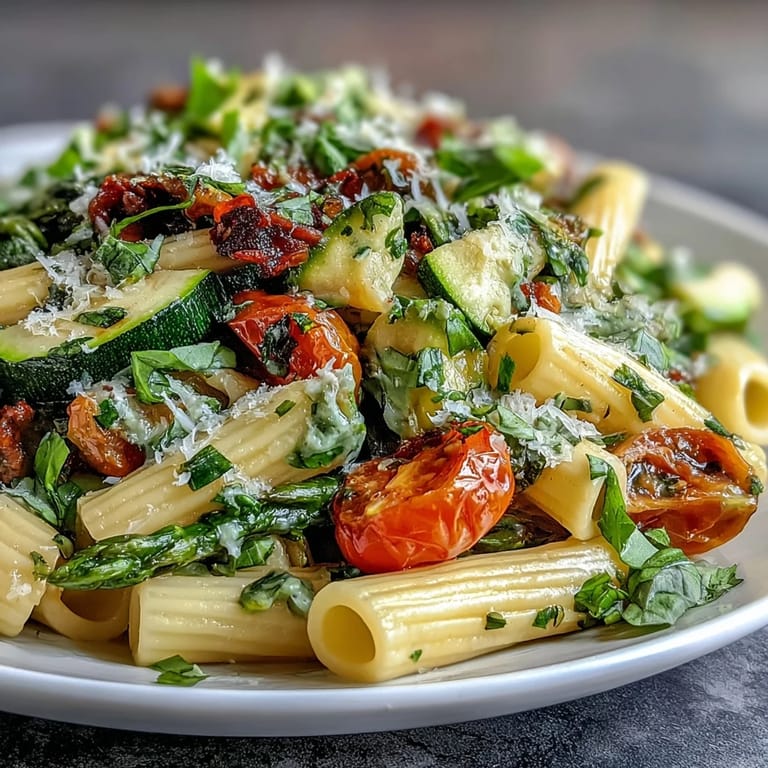
 The first time spring vegetables started appearing at my local market, I couldn't resist scooping up armfuls of emerald asparagus and vibrant yellow squash. There’s a certain feeling, almost like anticipation mixed with excitement, when you realize winter’s hearty dishes are giving way to something lighter and more colorful. The kitchen fills with the earthy scent of fresh basil and lemon before you’ve even chopped a thing. Making this Spring Pasta Primavera felt like opening the windows after months of chill: everything smelled greener, brighter, and just a bit happier. I never get tired of watching cherry tomatoes tumble into the pan, their juices popping and mingling with garlic and olive oil.
I remember making this for a midweek dinner after a particularly rainy spring afternoon: my neighbor wandered in, drawn by the aroma, and lingered at the stove just to keep me company while I chopped veggies. We ended up swapping stories about kitchen blunders over plates of pasta, turning what was meant to be a solo meal into a spontaneous gathering. It’s funny how preparing something simple like this can open the door for connection, even if it’s just assorted hands reaching for seconds. There was actually a moment when I dropped a handful of peas onto the floor – thankfully, the dog thought it was a treat. Sharing this dish always brings a little more warmth into the room than expected.
Ingredients
- Pasta: I’ve found that penne or farfalle hold sauce well, but the key is to cook them until just al dente so the veggies shine through.
- Zucchini & Yellow Squash: Slice them into half-moons for quicker cooking and a cheerful look in the bowl.
- Asparagus: Trimming the ends and cutting into bite-sized pieces keeps things tender and avoids stringy bits.
- Cherry Tomatoes: Halve them to let their sweet juices mingle with the sauce, and use whatever colors catch your eye.
- Red Bell Pepper: Thin slices add a gentle sweetness and stunning color contrast.
- Peas: Fresh or frozen work equally well — I toss them in just before the end for a pop of green.
- Garlic & Shallot: Minced finely, their fragrance is the soul of the sauce; don’t rush the sauté.
- Basil & Parsley: Chop these herbs right before tossing to release their best aroma.
- Lemon Zest & Juice: The zest and juice give lift and brightness; always use a fresh lemon for the zing.
- Olive Oil: Extra-virgin for a peppery depth, divided so you can finish with a fresh drizzle.
- Parmesan Cheese: Grated for a creamy finish (or swap in vegan cheese for a plant-based version).
- Salt & Pepper: Taste often as seasoning can change with the pasta water and veggies.
- Red Pepper Flakes (optional): Just a pinch wakes up the flavors without overpowering the dish.
Tired of Takeout? 🥡
Get 10 meals you can make faster than delivery arrives. Seriously.
One email. No spam. Unsubscribe anytime.
Instructions
- Boil Pasta:
- Fill your biggest pot with salted water and bring it to a rolling boil. Add the pasta, stirring as it cooks, until perfectly al dente; scoop out half a cup of cooking water before draining.
- Sauté Aromatics:
- Swirl olive oil into a hot skillet and scatter in the shallot and garlic. Breathe in the rich aroma as they soften and gently sizzle—don’t let them scorch.
- Cook Veggies:
- Pile in the zucchini, squash, asparagus, and bell pepper. Stir occasionally until they turn tender but still hold a little crunch, their colors brightening in the heat.
- Add Tomatoes & Peas:
- Drop in cherry tomatoes and peas, watching as the tomatoes slump and release their juices while peas turn vibrant green.
- Combine Pasta & Veggies:
- Turn the drained pasta into the skillet, tossing everything so flavors mingle and veggies tuck themselves into every nook.
- Finish the Sauce:
- Pour in reserved pasta water, sprinkle lemon zest, juice, basil, and parsley, and finish with a drizzle of olive oil. Season to taste with salt, pepper, and a pinch of red pepper flakes if you fancy a hint of heat.
- Add Cheese & Serve:
- Tip in the Parmesan, folding gently so it melts into a glossy finish. Serve piping hot, with extra cheese and herbs sprinkled on top, if you like.
 Save to Pinterest
 One spring evening, my little cousin helped me chop asparagus and zest lemons, her laughter bubbling louder than the pasta boiling. At the table, the dish seemed to draw everyone closer, and it wasn’t long before plates were wiped clean and silence settled in—the kind that only comes when food has been truly enjoyed. Little moments like that remind me why I cook: to bring color, joy, and a bit of the season’s spirit to ordinary days. I still often reach for those memories whenever I make Primavera. It’s become more than just a recipe—it feels like a new way to celebrate together.
Making the Most of Your Veggies
I learned quickly that not all spring vegetables cook at the same pace—some need a gentle touch, others a bit more time facedown in the heat. Testing with a fork rather than relying on a timer lets each veggie shine while staying crisp. Swapping in snap peas or baby spinach when the mood strikes gives the dish new life and texture. Don’t be afraid of piling up extra fresh herbs if they need using. Every time, color and crunch are at their best when you trust your senses over the clock.
Bringing Out the Brightness
A squeeze of lemon is the secret handshake in this recipe—the scent alone lifts the mood, but it’s the flavor that transforms everything into spring. Sometimes I toss in a bit more zest than the recipe calls for, especially if the meal is enjoyed under open windows or outside. The combination of basil and parsley seems to wake up the veggies, making them taste even fresher. If you want a milder bite, start with half the juice and add more as you taste. Don’t skip the olive oil drizzle at the end—it really locks in the flavors.
Simple Pairings and Final Touches
A crisp white wine beside the pasta feels like a celebration on even quiet evenings, but sparkling water with lemon does the trick, too. Serving extra Parmesan at the table encourages lingering conversation as people help themselves. This dish is surprisingly forgiving—even if an ingredient is missing, it always comes together beautifully. Fresh bread for dipping up leftover sauce makes the meal feel special. Keep a handful of parsley nearby for last-minute brightening.
- Snap peas add crunch if asparagus isn’t at its best.
- A sprinkle of chili flakes wakes up the sauce fast.
- Don’t plate everything until you’ve tasted for salt one last time.
 Save to Pinterest
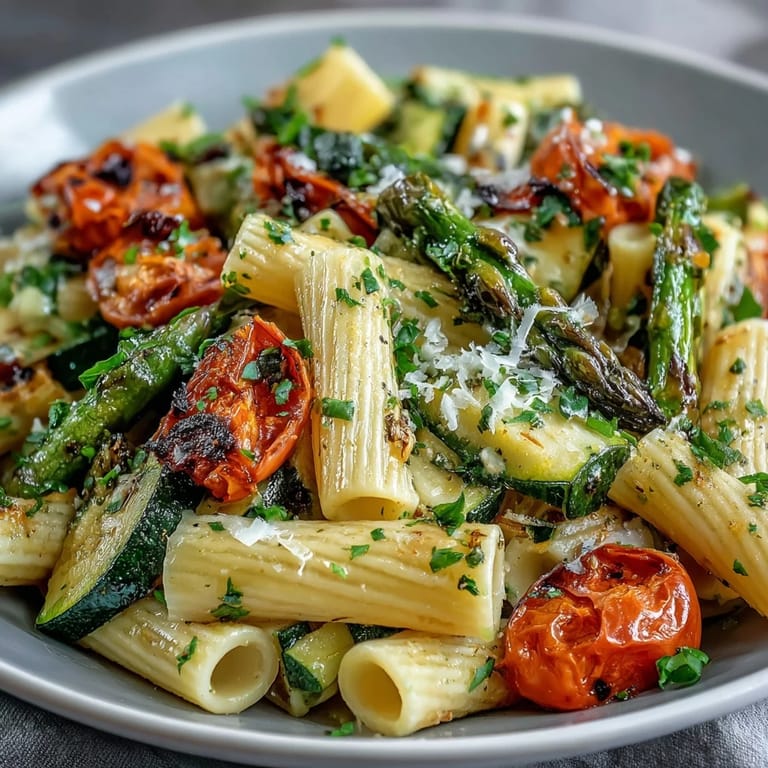
 Spring Pasta Primavera never fails to bring sunlight to the table, even on cloudy days. Grab your favorite veggies, and enjoy the bright flavors with people you love—or just yourself for a moment of springtime happiness.
Recipe FAQs
- → What pasta works best for primavera?
Penne and farfalle are great choices, but any short pasta pairs well with fresh vegetables for flavor and texture.
- → Can I use frozen peas or other veggies?
Yes, frozen peas and a variety of spring vegetables like snap peas or spinach can be included for added freshness and color.
- → How do I keep vegetables crisp?
Quick sautéing over medium heat helps maintain their texture—avoid overcooking for tender yet bright veggies.
- → Is Parmesan necessary?
No, omit Parmesan for a dairy-free or vegan option, or replace with plant-based cheese for similar flavor.
- → What wine pairs with this dish?
A crisp Pinot Grigio or Sauvignon Blanc beautifully complements the light and zesty character of the meal.