 Save to Pinterest
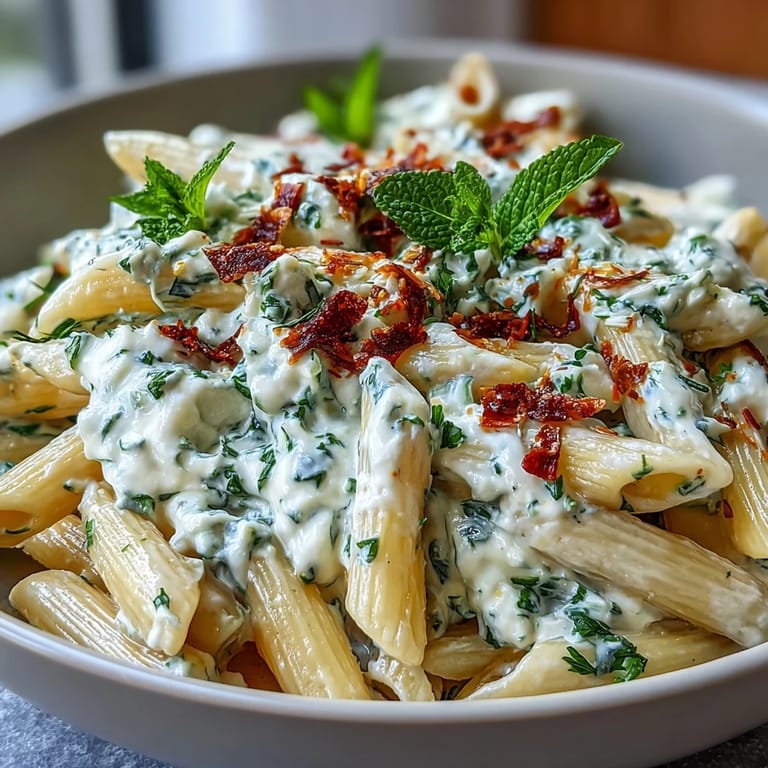
 Last spring, my neighbor stopped by with a basket of just-picked peas from her garden, and I stood there holding them like they were treasure, genuinely unsure what to do with so much green abundance. That evening, I tossed them into hot pasta with ricotta and mint, and something clicked—the dish was bright without being fussy, creamy without feeling heavy, and done in under half an hour. It became my answer to those days when you want to cook something that tastes like the season itself.
I made this for friends who showed up unexpectedly one afternoon, and watching them go quiet for a moment after the first bite told me everything. One of them asked if I'd added cream, and when I said no, just ricotta, she asked for the recipe immediately. That's when I knew this wasn't just a way to use up vegetables—it was the kind of dish people actually want to eat again.
Ingredients
- Short pasta (penne, fusilli, or orecchiette): 350 g. The shape matters here because the little peas and ricotta need something to cling to, so skip the spaghetti and choose something with texture.
- Fresh or frozen peas: 250 g. Frozen ones work beautifully and often taste fresher than sad fresh peas that have been sitting around—don't feel bad about using them.
- Garlic: 2 cloves, finely chopped. Just enough to whisper in the background, not shout.
- Lemon zest: From 1 unwaxed lemon. This is the secret brightness that makes people say the dish tastes like spring.
- Ricotta cheese: 250 g. Use the freshest you can find because it's the star here, not a supporting player.
- Parmesan cheese: 50 g grated, plus extra to serve. The umami anchor that ties everything together.
- Fresh mint: 1 small bunch, finely chopped. More than you think you need—mint doesn't play subtle in this dish.
- Extra-virgin olive oil: 2 tbsp. This is a finishing oil moment, so use one you actually like tasting.
- Black pepper: Freshly ground, to taste. Don't skip this; it needs to be generous and alive.
- Salt: For the pasta water and final seasoning.
Tired of Takeout? 🥡
Get 10 meals you can make faster than delivery arrives. Seriously.
One email. No spam. Unsubscribe anytime.
Instructions
- Set your water to boiling:
- Fill a large pot with water and salt it generously—it should taste like the sea. Bring it to a rolling boil while you prep everything else, so you're not standing around waiting.
- Cook the pasta:
- Add your pasta and stir it once so nothing sticks. Cook according to package instructions until it's just al dente, then reserve a full cup of that starchy water before draining—this is liquid gold for your sauce.
- Warm the garlic:
- While the pasta cooks, heat olive oil in a large pan over medium heat and add your finely chopped garlic. Let it soften for about a minute until it smells incredible, but don't let it brown or it'll turn bitter on you.
- Add the peas:
- Toss in your peas and let them cook for 2 to 3 minutes (a bit longer if frozen). You're looking for them to be bright green and just tender, still with a tiny bit of snap.
- Combine pasta with peas:
- Add your drained pasta to the pan and toss everything together so the peas distribute evenly and the pasta gets a light coating of that garlicky oil.
- Build the sauce off heat:
- Remove the pan from heat, then stir in the ricotta, lemon zest, Parmesan, and about half of your mint. Add reserved pasta water a bit at a time until you get a creamy, glossy sauce that coats each piece of pasta without being soupy.
- Season and finish:
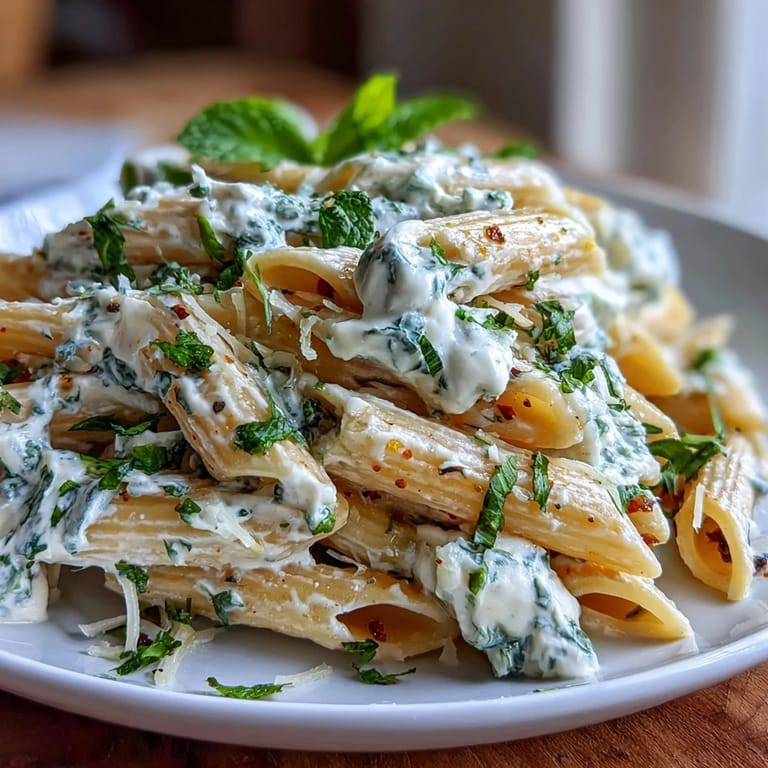
- Taste it, then season generously with salt and plenty of black pepper. Divide among plates and scatter the remaining mint and extra Parmesan over the top.
 Save to Pinterest
 There's something about serving this dish that makes even a quiet dinner feel like a small celebration. The way it tastes like springtime in a bowl, the fact that it came together so easily, the color—it all adds up to something bigger than the sum of its parts.
Why Frozen Peas Are Your Friend
I used to think frozen peas were a compromise, a backup plan for when fresh ones weren't available. Then I realized that frozen peas are often fresher because they're frozen at peak ripeness, locked in their sweetness and tenderness before they start to lose it. Now I genuinely prefer them, especially in a dish like this where they shine so brightly. They thaw gently in the pan and need barely any cooking, which means you're not nursing a stovetop full of water.
The Mint-to-Parmesan Balance
The first time I made this, I was timid with the mint, thinking it would overpower everything. Wrong. Mint needs confident handling here—it's not a whisper, it's a voice. The Parmesan echoes that voice and adds depth, so they're not fighting, they're singing together. If your mint is old and dusty-tasting from the back of the fridge, use less, but if it's bright and alive, be generous.
Making It Your Own
This recipe is sturdy enough to handle additions without losing its soul, which is why I keep coming back to it. Add a handful of baby spinach or peppery arugula with the peas for extra greens, or scatter toasted pine nuts on top for crunch and richness. Some nights I've stirred in a pinch of red pepper flakes for warmth, or added a splash of white wine to the pan before the peas to deepen the garlic flavor.
- If you're going dairy-free, use your favorite ricotta alternative and vegan Parmesan—the technique stays exactly the same.
- For gluten-free, swap in gluten-free pasta and cook it the same way.
- A crisp Sauvignon Blanc or Pinot Grigio alongside makes this feel even more like spring.
 Save to Pinterest
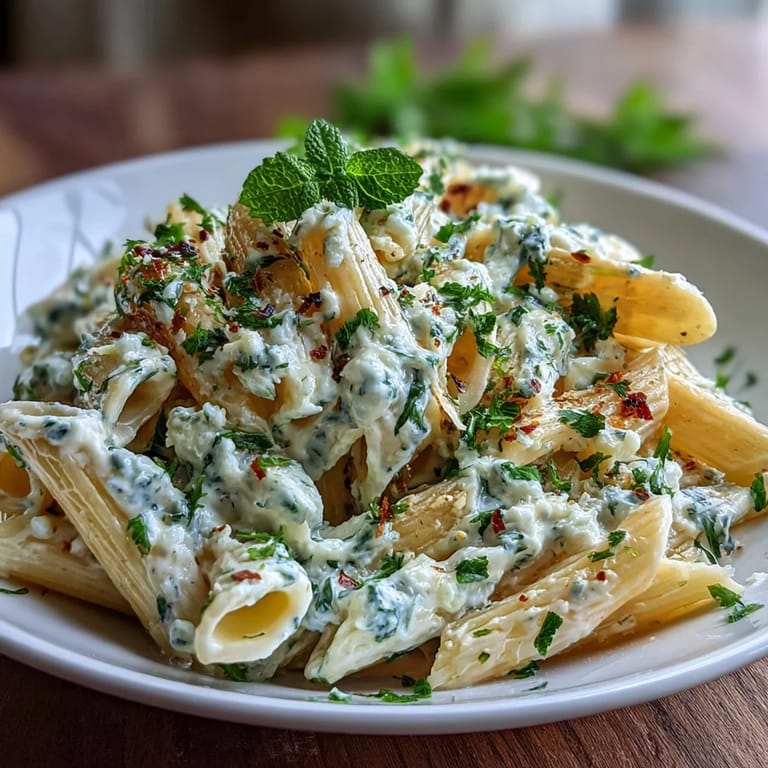
 This is the kind of dish that reminds you why cooking at home matters—it's fast, it's real, and it tastes like intention. Make it once and it'll become part of your regular rotation.
Recipe FAQs
- → Can I use frozen peas in this dish?
Yes, frozen peas work well; just cook them a little longer until tender and bright green.
- → How do I achieve a creamy sauce without cream?
The sauce becomes creamy by stirring ricotta and Parmesan into hot pasta with reserved cooking water, which helps coat the pasta smoothly.
- → What pasta shapes work best for this dish?
Short pasta like penne, fusilli, or orecchiette hold the sauce well and complement the peas and cheese texture.
- → Can I add other herbs besides mint?
Fresh herbs like basil or parsley can be added, but mint provides a distinctive, refreshing flavor that balances the dish.
- → How to adjust seasoning for best flavor?
Season pasta water with salt and finish the dish with black pepper and extra Parmesan for depth and a balanced taste.