 Save to Pinterest
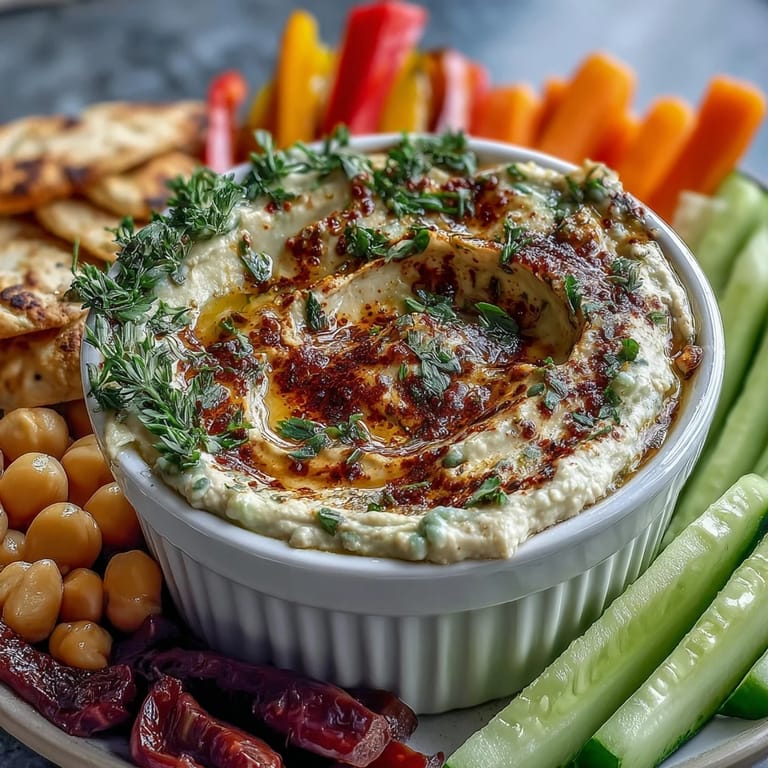
 My daughter came home from school one afternoon with a lunch box that had barely been touched, and when I asked why, she said the soggy sandwich was depressing her. That's when I started experimenting with these snack cups—portable little vessels that actually made her excited to open her lunchbox. There's something about the ritual of pulling veggies straight from hummus that feels more like snacking than eating, and suddenly vegetables weren't the thing she tolerated but the thing she reached for first.
I made these for a road trip last summer, and my partner kept reaching for them at every rest stop instead of the convenience store snacks sitting right there. By the time we'd driven six hours, he'd demolished three cups and was asking if I could make these a permanent fixture in our cooler. It wasn't just that they tasted good—it was that they felt intentional, like someone cared enough to pack something nourishing when it would've been easier not to.
Ingredients
- Hummus: The creamy foundation that holds everything together—store-bought works perfectly fine, though homemade gives you control over the salt and oil content, which I appreciate when I'm feeding these to people watching their sodium.
- Carrots: Their natural sweetness and sturdy texture mean they won't go limp, even if these sit in a lunchbox for hours.
- Cucumber: Refreshing and hydrating, though I've learned to cut them slightly thicker than I think necessary because thinner slices can get bendy by afternoon.
- Red and yellow bell peppers: These add color and a gentle sweetness that makes vegetables feel less like an obligation and more like a treat.
- Snap peas: They're the gateway vegetable for reluctant eaters because they're already somewhat fun to eat.
- Cherry tomatoes: Tiny and jewel-like, they feel special compared to regular tomato slices, and their natural sweetness rounds out the savory hummus perfectly.
- Celery and jicama (optional): Celery is classic for a reason—that satisfying crunch—while jicama brings an unexpected sweetness and texture that makes people pause and ask what it is.
Tired of Takeout? 🥡
Get 10 meals you can make faster than delivery arrives. Seriously.
One email. No spam. Unsubscribe anytime.
Instructions
- Wash and prep your vegetables:
- Give everything a good rinse and pat dry, then cut into sticks or bite-sized pieces that feel comfortable to hold and dunk. I usually do carrots first because they take the longest, then work my way to the delicate items like cherry tomatoes.
- Divide the hummus:
- Spoon about 1/4 cup into each of your six cups, smoothing the top with the back of the spoon so you have a nice canvas for standing the vegetables upright. A little well in the center makes it easier for the veggies to stand without toppling.
- Arrange the vegetables:
- Stand your vegetable sticks upright in the hummus like a little edible garden, mixing colors so each cup looks inviting and intentional. The longer pieces should go deeper, with shorter items nestled around them.
- Seal and chill:
- Pop the lids on and refrigerate until you need them—these are best enjoyed within two days before anything starts getting soft around the edges. If you're packing these for a lunchbox that won't be opened until afternoon, use an ice pack nearby to keep everything crisp.
 Save to Pinterest
 There was a moment during a school potluck when I watched three kids pass over the fancy dips and head straight for my snack cups, and their teacher asked for the recipe. That's when I realized this wasn't just about convenience or nutrition—it was about giving people permission to enjoy vegetables without pretense or guilt.
Flavor Boosters and Variations
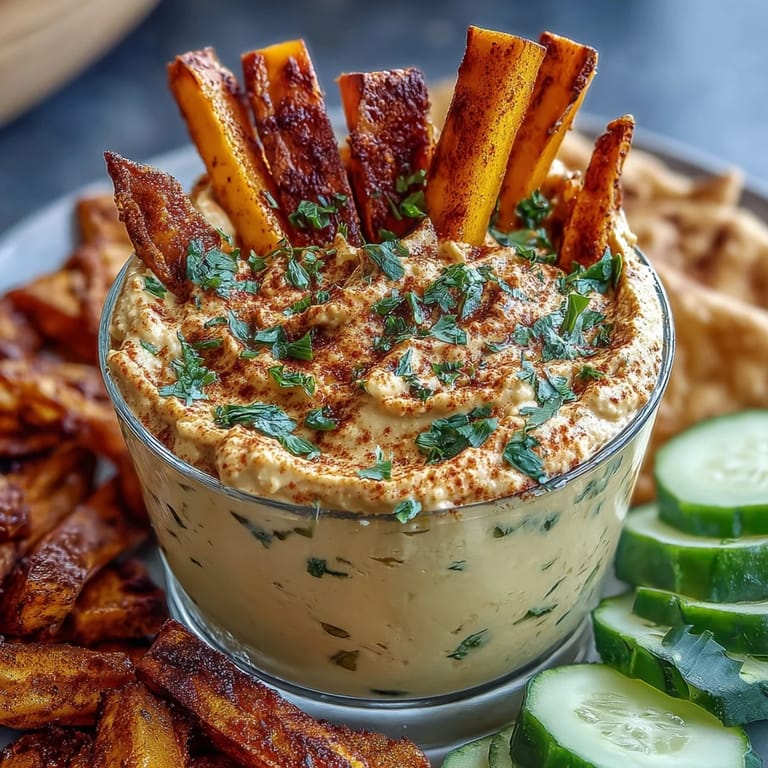
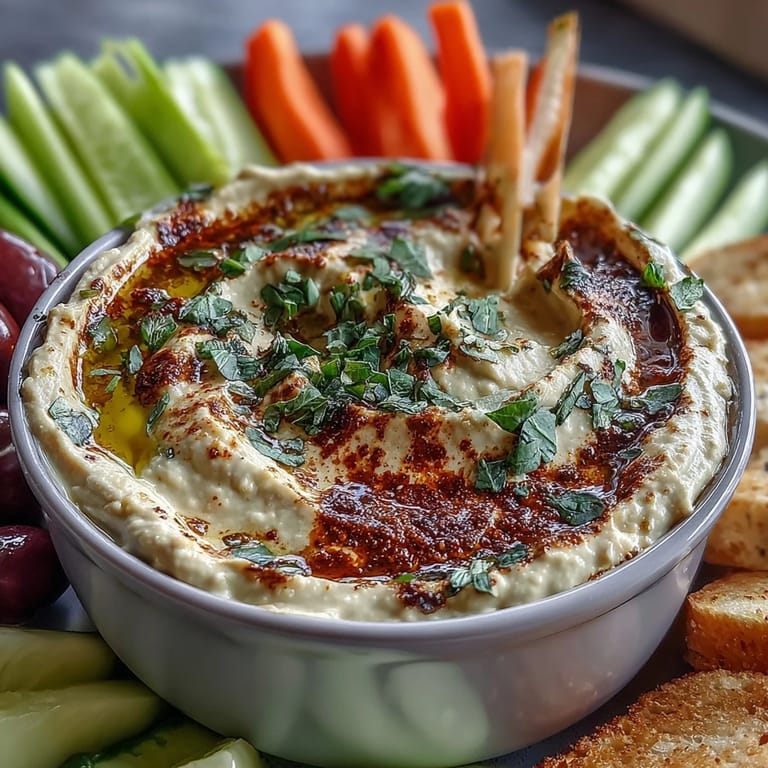
The hummus base is intentionally neutral so it lets the vegetables shine, but you can absolutely elevate it with a light sprinkle of paprika, zaatar, or a tiny drizzle of olive oil before you add the vegetables. I've also stirred in a teaspoon of lemon juice or a pinch of cayenne when I want something more interesting, and each tweak completely transforms what feels like the same snack into something new. Seasonal changes matter too—in winter I lean into roasted root vegetables and celery, while summer gets bright with zucchini, radishes, and blanched green beans.
Protein and Dairy Variations
If you're feeding people who want more protein than the hummus provides, baked tofu sticks are wonderful and add a texture contrast that's genuinely interesting. For anyone who can eat dairy, cheese cubes nestled among the vegetables feel indulgent without being heavy, and they pair beautifully with the sweetness of the bell peppers. I've also experimented with adding a handful of seeds on top—sunflower or pumpkin seeds scattered across the hummus surface add crunch and make these feel more substantial.
Storage and Travel Tips
These are meant to be made ahead, and they genuinely taste better when you give them a few hours in the fridge for the flavors to mingle and settle. For travel, choose sturdy containers with tight-fitting lids—I learned this the hard way on a car trip when a loosely covered cup tipped and painted my cooler with hummus. Pack these alongside an ice pack if they'll be sitting in a warm bag for more than a few hours, and remember they're best consumed within two days before the vegetables start softening.
- Make these up to two days ahead and stack them in your fridge for grab-and-go mornings.
- Mason jars work beautifully if you don't have dedicated snack containers, and they look intentional when you pull them out.
- If you're packing for lunch, place these at the bottom of your bag where they won't get squished by other items.
 Save to Pinterest
 These snack cups have become my answer to the question I ask myself at least five times a week: what can I pack that people will actually want to eat? They're simple enough that anyone can throw them together, but intentional enough that they feel like you cared.
Recipe FAQs
- → What vegetables work best for these snack cups?
Crunchy vegetables such as carrots, cucumbers, bell peppers, snap peas, and cherry tomatoes work best for easy dipping and freshness.
- → How should the hummus be portioned for each cup?
Divide about 1/4 cup of hummus evenly into each snack cup to provide a creamy base for the vegetables.
- → Can I prepare these snack cups in advance?
Yes, prepare and refrigerate them up to two days ahead to maintain freshness and convenience.
- → Are these snack cups suitable for dietary restrictions?
They are vegetarian, gluten-free, and dairy-free. Check hummus ingredients for potential allergens like sesame or soy.
- → What are some ways to enhance the flavor of these cups?
Sprinkle spices such as paprika or zaatar on the hummus, or add a drizzle of olive oil for extra zest before adding vegetables.